
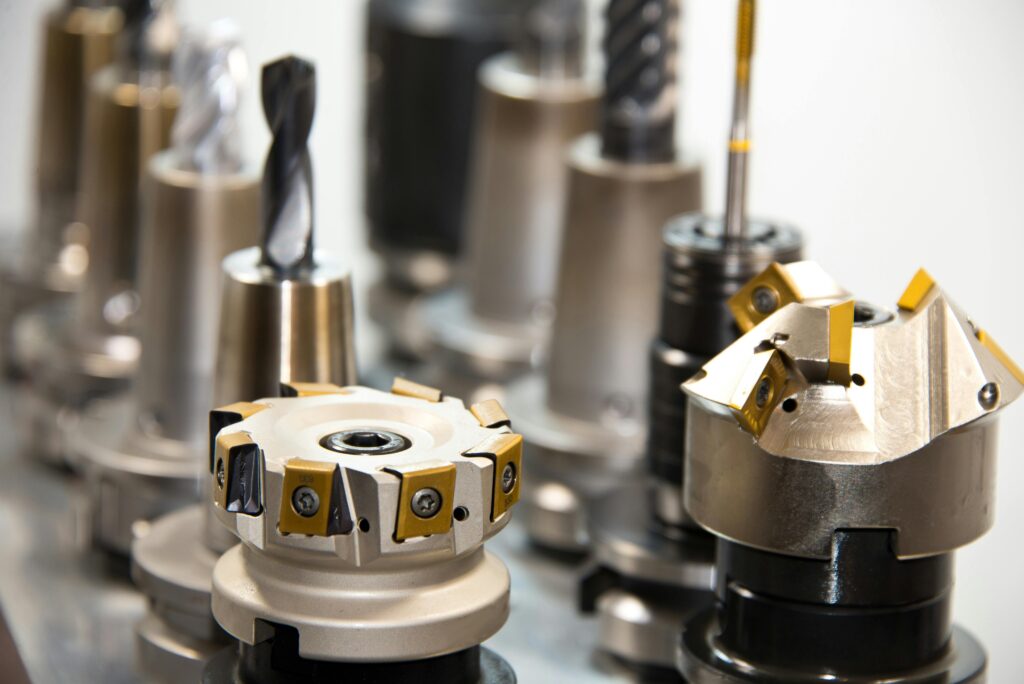
From files to CNC
The evolution of machining sums up more than two centuries of precision, repeatability and industrial transformation: from manual work with files and cutting tools to CNC machining centers, automation and connected manufacturing.
From craftsmanship to intelligent machining: every advance changed the way industrial parts are manufactured.
Machining did not begin with CNC
Before programming, sensors and machining centers, metalworking depended almost entirely on the skill of the operator. Files, saws, chisels and hammers were essential tools for shaping each part.
Manufacturing one part was possible. Manufacturing ten exactly alike was a different world. The history of machining is, in reality, the constant search for precision, speed and repeatability.
Manual machining
Depended on the operator’s hand, experience and judgment.
Machine tools
Made it possible to manufacture repeatable and interchangeable parts.
Numerical control
Transformed manufacturing into a programmable process.
Connected industry
Integrates CAD/CAM, sensors, simulation and automation.
The evolution of machining step by step
Each era introduced new tools, materials and control methods. The result was a more precise, stable and predictable industry.
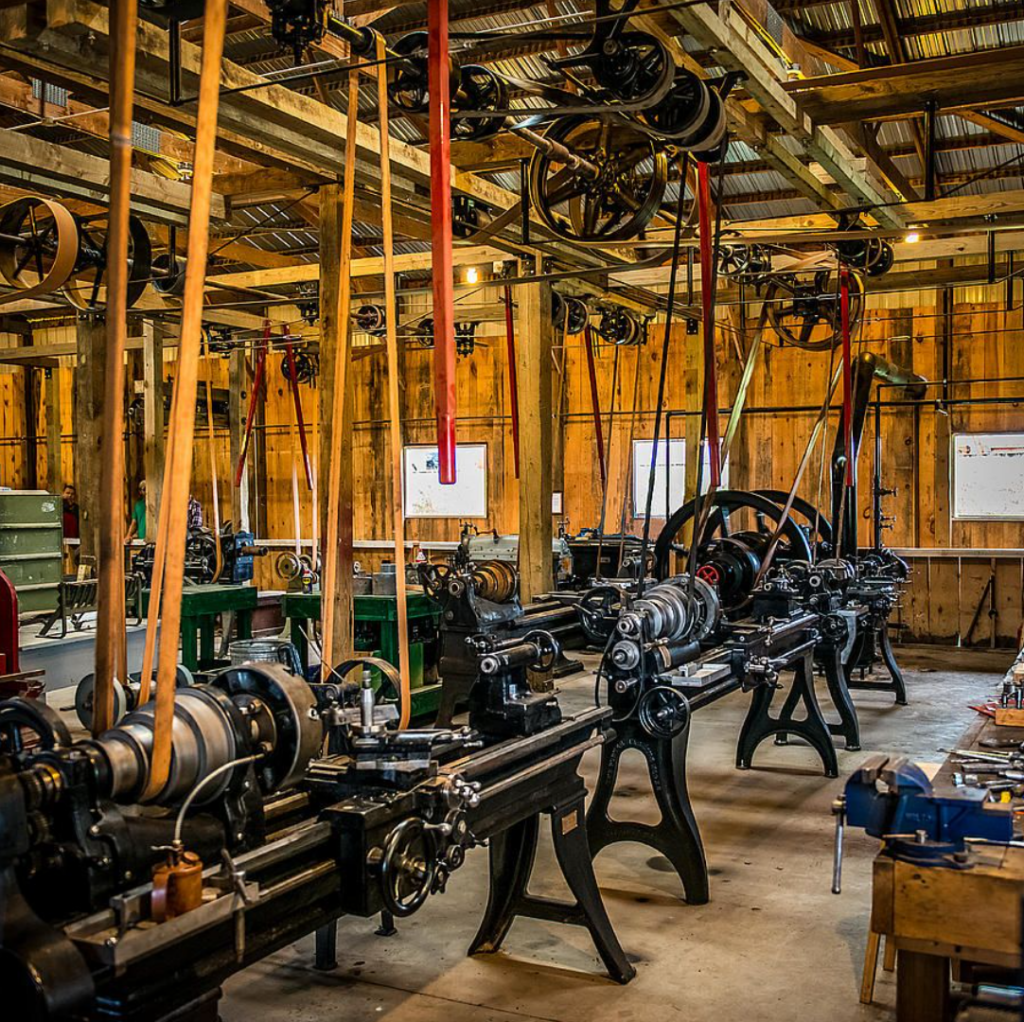
The beginnings: manual machining
For centuries, metalworking was done by hand. The finish, precision and repeatability depended on the worker’s skill.
- Files, saws and chisels
- Manual correction part by part
- Slow and limited production
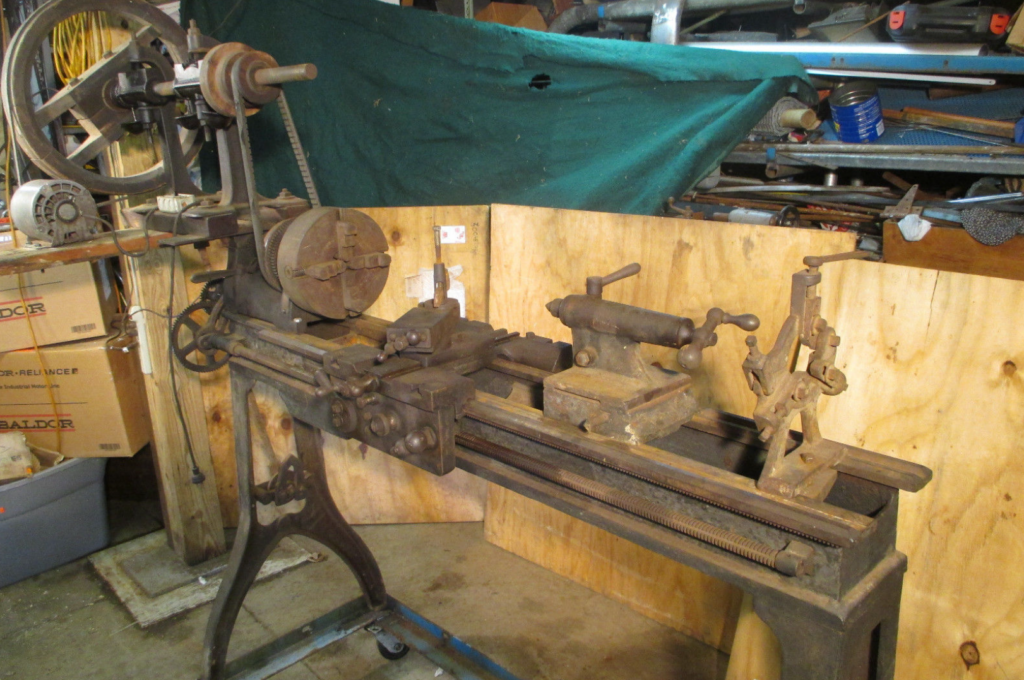
The first machine tools emerge
With the precision lathe, screw-cutting machines and early milling machines, industry began to manufacture parts with a dimensional standard.
- More precise lathes
- Interchangeable parts
- First industrial standards
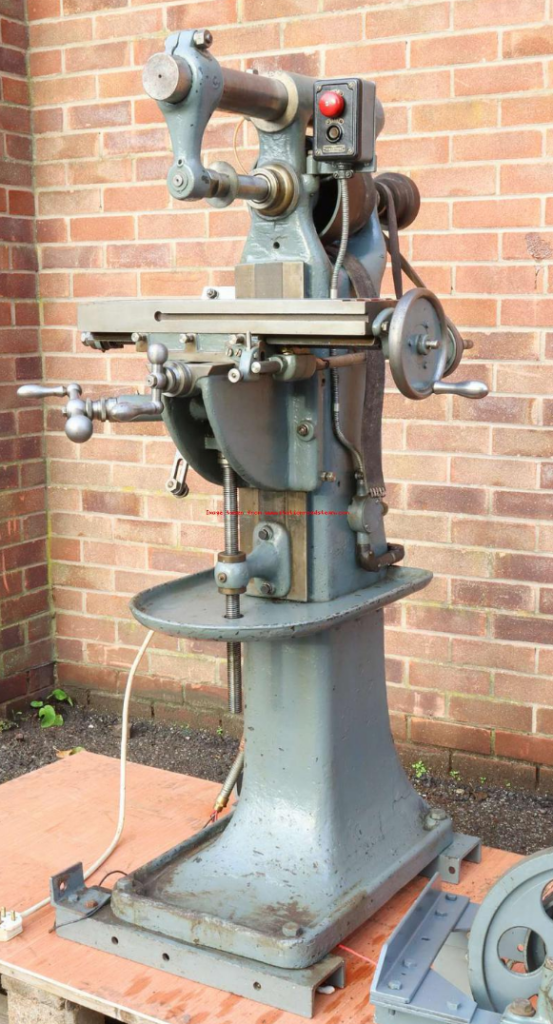
Speed, production and specialization
Electricity, new alloys and machine rigidity moved machining toward more stable and repeatable production processes.
- More rigid lathes
- Vertical and horizontal milling machines
- Grinding, drilling and serial production
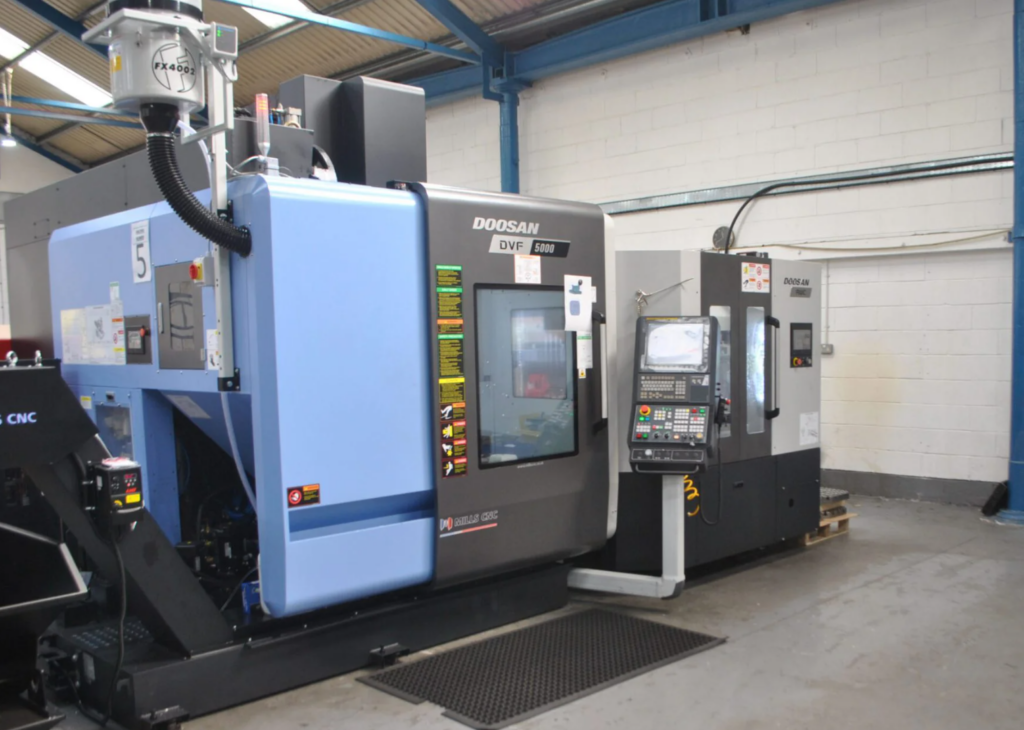
Late 20th century: CNC is born
Numerical control changed the trade. The operator no longer only had to handle the machine: they also needed to understand programming, toolpaths, coordinates and motion logic.
- Repeatable precision
- Cycle automation
- Reduced dependence on human error
Today: intelligent, digital and connected machining
Modern machining combines machine, software, data and control. Precision no longer depends on a single tool, but on a complete system.
CAD/CAM
Design, programming and simulation before touching the part.
Sensors
Process control, measurement and real-time monitoring.
Robotics
Automation of loading, unloading and repeat production.
Advanced materials
Special steels, stainless steels, nickel alloys and duplex materials.
Dimensional control
Technical verification to guarantee tolerances and conformity.
Repeatability
Stable production with lower variability between parts.
Then and now: the technical leap in machining
| Aspect | Traditional machining | Modern CNC machining |
|---|---|---|
| Precision | Depended heavily on the operator | Controlled by programming and machine movement |
| Repeatability | Limited in long production runs | High stability between parts |
| Speed | Slow and manual processes | Optimized and automated cycles |
| Design | Direct interpretation of the drawing | CAD/CAM, simulation and machining strategies |
| Control | Post-process manual inspection | Dimensional control and document traceability |
The history of machining is the history of precision
From craft to process
Manufacturing moved from depending on the operator’s hand to depending on controlled systems.
From single part to series
Machine tools made it possible to manufacture repeatable and interchangeable parts.
From manual to digital control
CNC turned machine movement into programmable instructions.
From isolated workshop to connected system
Today, machining integrates data, software, simulation, sensors and traceability.
Industrial machining with precision, experience and technology
At AREM-CNC, we work with machined parts according to drawing or technical standard, combining industrial knowledge, certified materials, dimensional control and CNC processes adapted to each project.