
From raw material to finished part
Transforming a bar, plate or raw workpiece into a functional component requires method, programming, precise machining, dimensional control and technical delivery.
Manufacturing route
Industrial machining does not start at the machine, it starts with control
Every phase affects final quality: from material verification to technical packaging of the finished part.
Industrial machining is the foundation of any project that requires precision. Turning raw material into a functional part means coordinating drawings, tolerances, tools, machining strategy and dimensional control.
In a professional workshop, the process is planned before the first cut. The work route, parameters, clamping and operation sequence determine the stability of the final result.
A well-machined part is not finished when it leaves the CNC machine. It is finished when it has been measured, deburred, cleaned, identified and prepared to work in its final application.
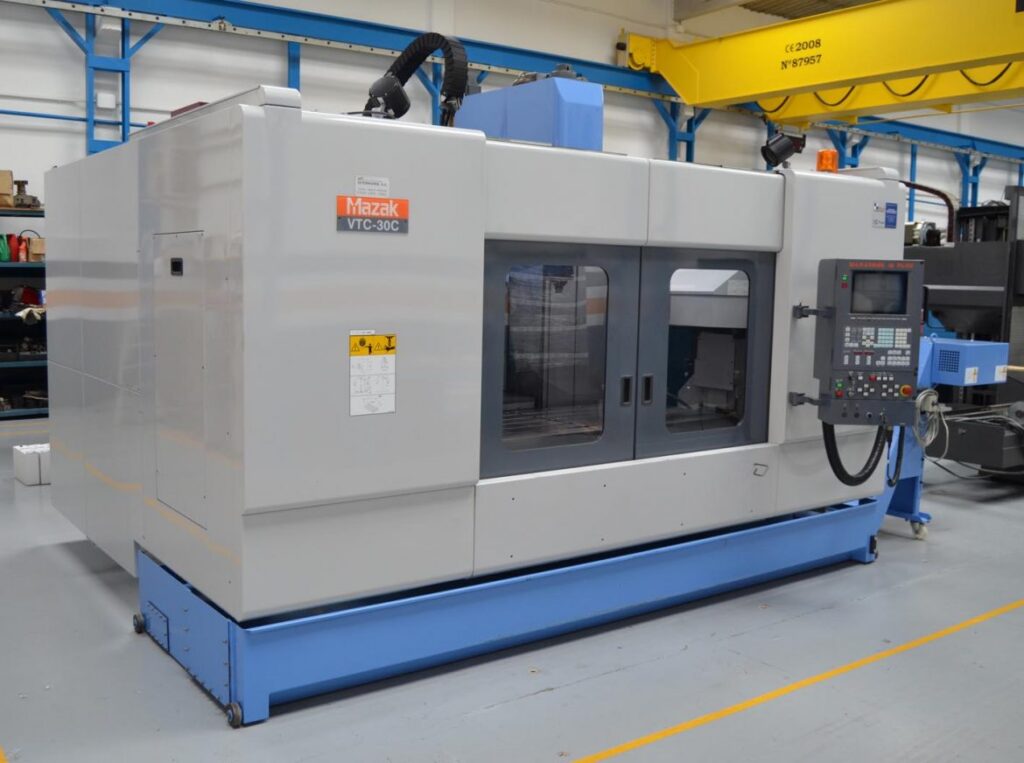
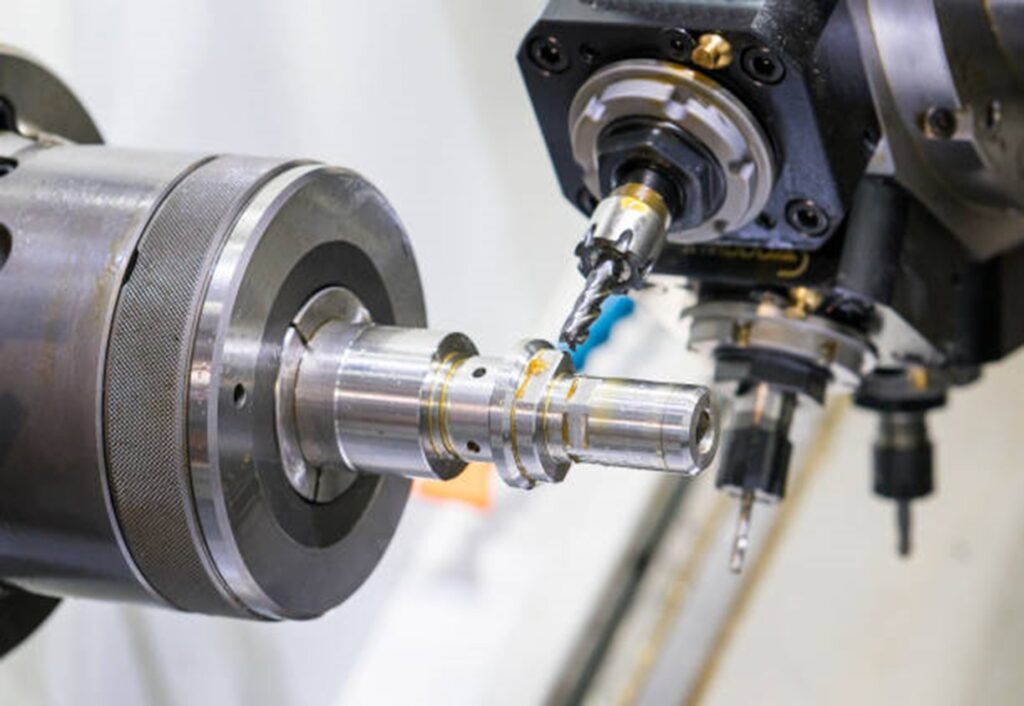
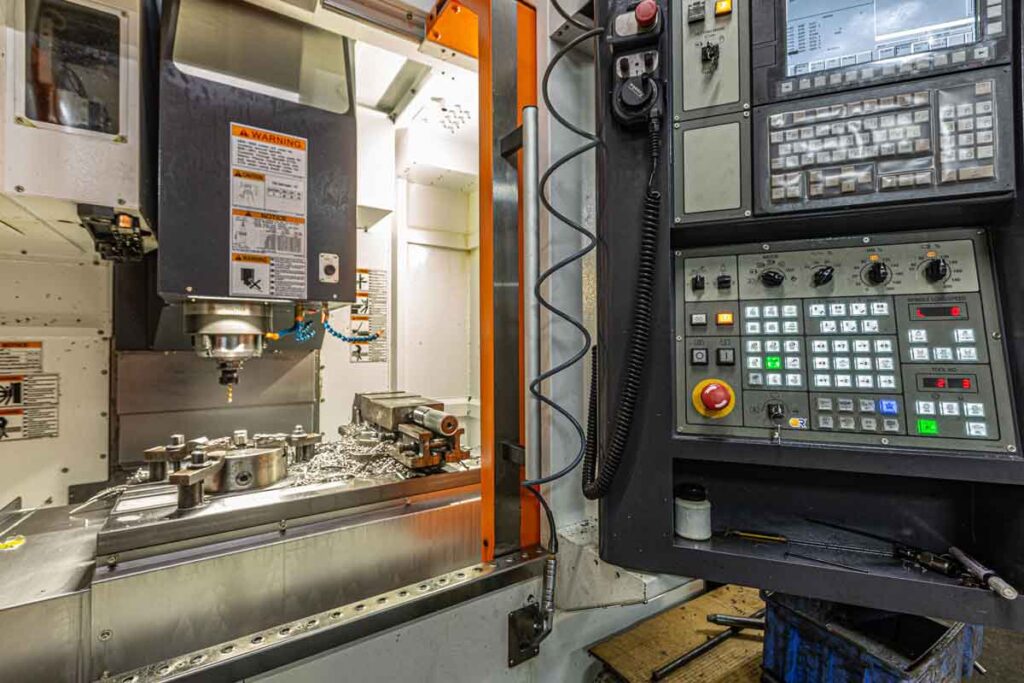
Six phases to transform raw material into a finished part
A defined method prevents improvisation and helps maintain tolerances, repeatability and traceability in industrial manufacturing.
Material reception and verification
Everything starts with the right foundation. Before machining, the certificate, grade, dimensions, surface condition and order compliance are reviewed.
Drawing preparation and work route
Before the first cut, the drawing, tolerances, roughness requirements, tools, workholding and operation sequence are defined.
CNC programming
Technical requirements are converted into code. Programming can be carried out directly at the machine or through CAM software based on a 3D model.
Machining process
The required operations are performed according to the geometry, material and part requirements: turning, milling, drilling, threading, boring or 3D contouring.
Dimensional control
Quality is not assumed: it is measured. During and after machining, dimensions, threads, geometries and surface finish are checked.
Finishing, cleaning and delivery
The process ends with deburring, cleaning, surface treatments when required, marking, traceability and technical packaging.
Every geometry requires a different machining strategy
The choice of operation, tool, feed rate and cooling depends on the material, part shape and required finish.
Quality is not assumed, it is verified
Technical verification confirms that the part meets the drawing, function and required tolerances.
Measurement during and after machining
Dimensional control makes it possible to detect deviations, validate critical operations and ensure that the finished part meets project requirements before delivery.
A finished part must arrive ready, verified and protected
Do you need to manufacture a machined part?
At AREM-CNC, we study technical drawings, materials, tolerances and manufacturing requirements to define a stable, precise machining process adapted to each industrial project.