
HASTELLOY® C22 UNS N06022
An advanced nickel alloy designed to provide extreme corrosion resistance in oxidizing media, reducing environments, chlorides and highly contaminated industrial conditions.
Nickel alloy for extreme corrosion resistance
HASTELLOY® C22 is used when other materials fail against aggressive media, strong acids, chlorides and highly contaminated industrial environments.
HASTELLOY® C22, also identified as UNS N06022, is an advanced nickel-chromium-molybdenum-tungsten alloy designed to provide exceptional corrosion resistance in the most aggressive industrial environments.
It stands out for its high resistance to localized corrosion, especially against pitting, crevice corrosion and attack in contaminated oxidizing media.
Compared with other alloys in the Hastelloy family, C22 is positioned as a premium alternative when maximum reliability is required in complex chemical conditions.
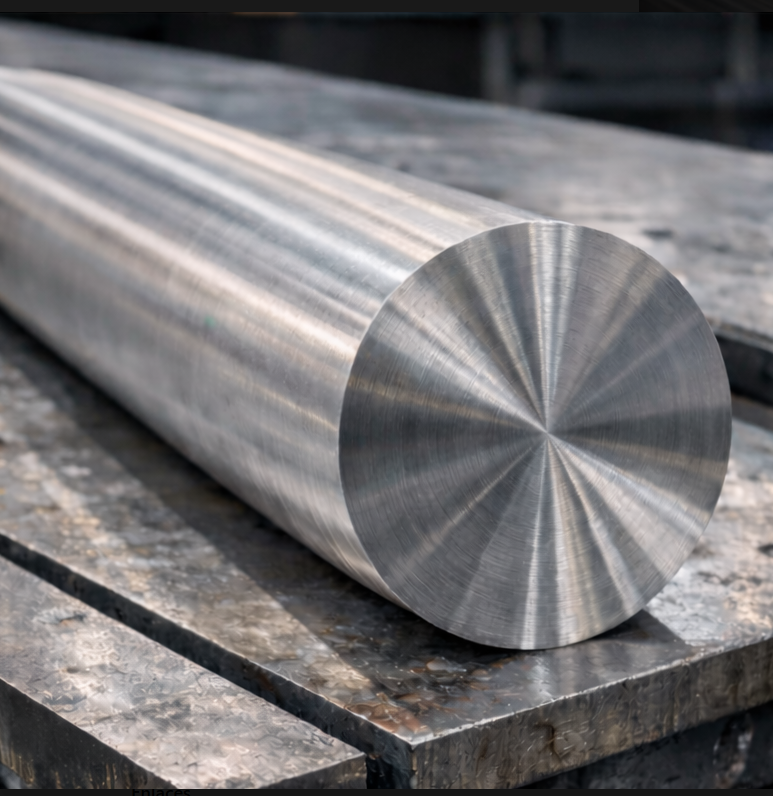
Chromium, molybdenum and tungsten for maximum corrosion resistance
| Element | Approximate content |
|---|---|
| Nickel, Ni | Balance |
| Chromium, Cr | 20–22% |
| Molybdenum, Mo | 12.5–14.5% |
| Tungsten, W | 2.5–3.5% |
| Iron, Fe | ≤ 6% |
Why choose HASTELLOY® C22
High resistance in oxidizing media
Excellent performance in contaminated oxidizing media and highly aggressive chemical environments.
Protection against pitting
Very high resistance to pitting corrosion, especially in the presence of chlorides and contaminated media.
Resistance to crevice corrosion
Designed for critical areas where deposits, joints, gaps or complex geometries may appear.
Stress corrosion resistance
Superior resistance to stress corrosion cracking under specific service conditions.
Thermal stability
Maximum service temperature in oxidizing environments of approximately 1250°C, depending on conditions.
Excellent weldability
Good post-weld performance and high reliability in the manufacturing of critical industrial equipment.
Components for highly demanding chemical processes
HASTELLOY® C22 is used when corrosion can compromise safety, production continuity and equipment service life.
A strategic alloy when reliability is critical
Longer service life
Significantly increases the durability of components exposed to extreme chemical environments.
Less maintenance
Helps reduce costs associated with part replacement, downtime and corrosion-related repairs.
Premium alternative
Especially interesting compared with C276 when greater localized corrosion resistance is required.
Demanding material, controlled parameters
HASTELLOY® C22 work-hardens rapidly, has low thermal conductivity and generates high temperatures in the cutting zone.
Recommended to maintain stability, precision and tool life during cutting.
Help limit surface work-hardening and improve process stability.
Essential to evacuate heat, improve chip control and reduce tool wear.
Key for technical parts with demanding tolerances and complex geometries.
The strategy must be adapted to geometry, batch size, required finish and final application.
Do you need to machine HASTELLOY® C22?
At AREM-CNC, we study technical drawings, special alloys and manufacturing requirements to provide machining solutions adapted to the most demanding industrial environments.